Hospitality Is the New Amenity
Why service, atmosphere and wellbeing are becoming more valuable than facilities
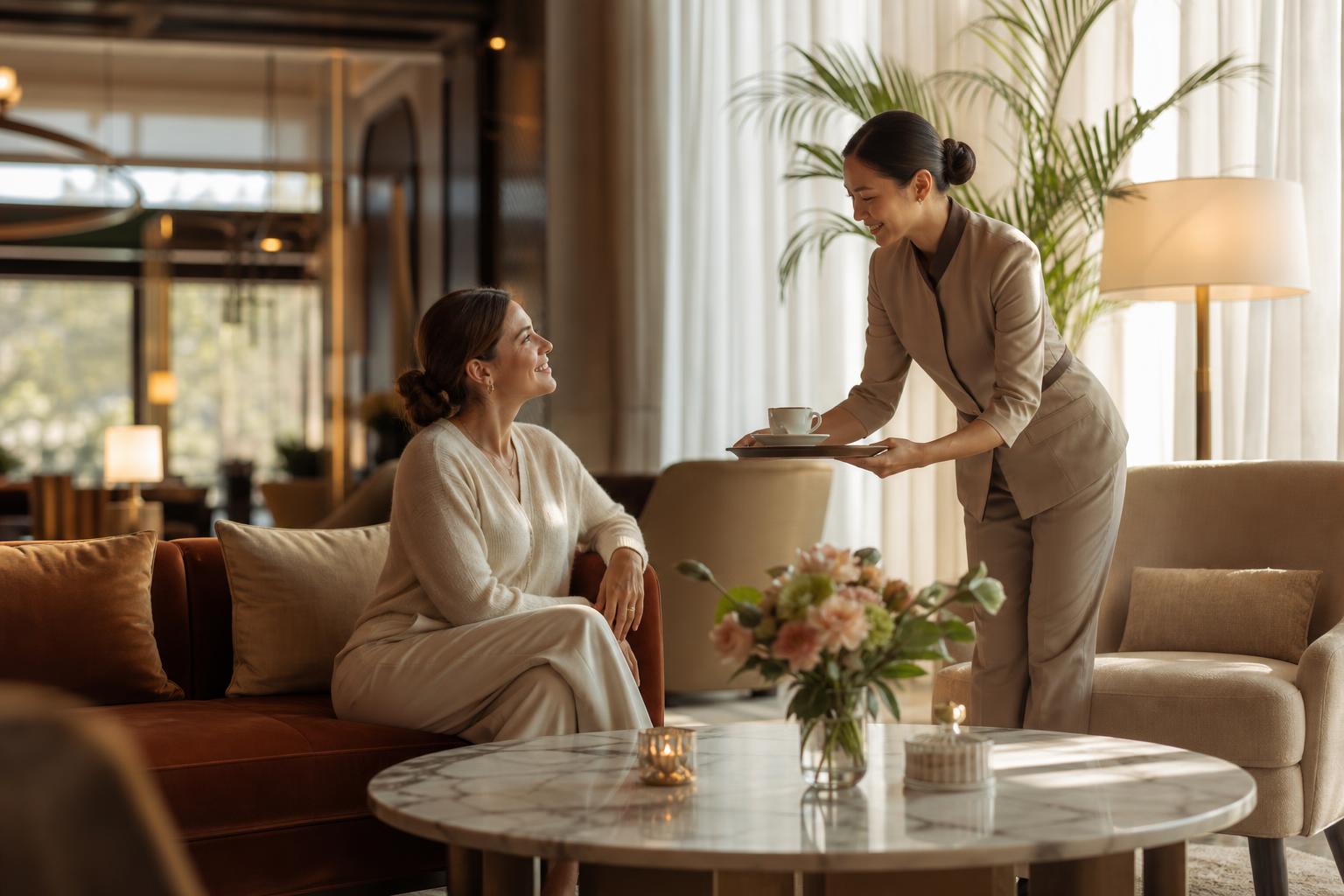
For decades, both hospitality and real estate have competed through amenities.
Developers added larger pools, bigger gyms, private cinemas, rooftop terraces and increasingly long lists of facilities designed to attract buyers, residents and guests. The assumption was simple: more amenities created more value.
Yet some of the most successful hospitality concepts today seem to suggest something different.
Many of the places attracting attention are not necessarily those with the longest list of facilities, but those that create a stronger overall experience. Places where service feels personal, where the atmosphere feels carefully considered and where guests or residents feel genuinely welcomed from the moment they arrive.
In other words, people may be placing less value on the amenity itself and more value on how the amenity makes them feel.
This shift is becoming increasingly visible across both hospitality and residential real estate.
The rise of branded residences is perhaps one of the clearest examples. While these developments often include impressive facilities, their appeal is rarely based on a gym, spa or swimming pool alone. Instead, buyers are investing in a lifestyle, a level of service and a hospitality experience that extends far beyond the physical property itself.
Increasingly, people are not simply buying a home.
They are buying convenience, wellbeing, community, atmosphere and the feeling that comes from being part of a carefully curated environment.
The same trend can be seen across hospitality. Guests are increasingly drawn to places that create a sense of wellbeing, connection and belonging rather than simply offering more features than their competitors.
Perhaps this is why concepts such as Hushpitality, wellness travel and hospitality-led living continue to gain momentum. They all reflect a broader shift in consumer preferences, where emotional value is becoming just as important as physical value.
Another factor that may accelerate this shift is the rapid development of artificial intelligence and its growing role across both hospitality and real estate. As technology becomes increasingly capable of handling bookings, recommendations, customer communication and a wide range of administrative tasks, many aspects of service will undoubtedly become more efficient, more personalised and more accessible than ever before. Guests and residents will be able to receive information instantly, manage requests seamlessly and enjoy highly tailored experiences supported by data and automation.
What I find particularly interesting is that this technological development may ultimately increase the value of the human aspects of hospitality rather than reduce it. The more efficiently technology solves practical problems, the more important the emotional side of the experience may become. Feeling genuinely welcomed, being recognised as an individual, receiving thoughtful service and interacting with people who demonstrate empathy, care and emotional intelligence are all qualities that remain difficult to automate, regardless of how advanced technology becomes.
In many ways, the future of hospitality may not be defined by a choice between technology and human interaction, but by how effectively the two work together. Technology can remove friction and improve convenience, while hospitality creates the emotional connection that people remember long after the stay has ended.
Perhaps this is why the most successful hospitality concepts of the future will not simply be those that offer the best technology or the most impressive facilities, but those that combine efficiency with warmth, convenience with care and innovation with genuine human connection.
As our lives become busier, more connected and filled with constant stimulation, the ability to create environments that help people relax, reconnect and simply feel good may become one of the most valuable offerings of all.
For developers, operators and hotel owners, this raises an interesting question.
If everyone can build a pool, a gym or a rooftop bar, what becomes the true differentiator?
Perhaps the answer is hospitality itself.
Perhaps the most valuable amenity is no longer a facility.
Perhaps it is the feeling people experience while using it.
My Perspective
As someone who works across hospitality, destination development and branded living, I find this shift particularly interesting.
For many years, success was often measured by what a property had.
Increasingly, it may be measured by how a property makes people feel.
And if that proves true, it could have significant implications for the future of both hospitality and real estate.
Louise Engwall Edholm
Founder, ENGCO Hospitality & Advisory
Är du intresserad av hospitality-trender, branded living, destinationsutveckling och framtidens hospitality? Utforska fler insikter från ENGCO Hospitality & Advisory eller kontakta Louise Engwall Edholm på LinkedIn.
Relaterade insikter
Hushpitality is not about silence. It is about how hospitality is redefining comfort.
The new luxury is how a place makes you feel
Why People Crave Quiet Places
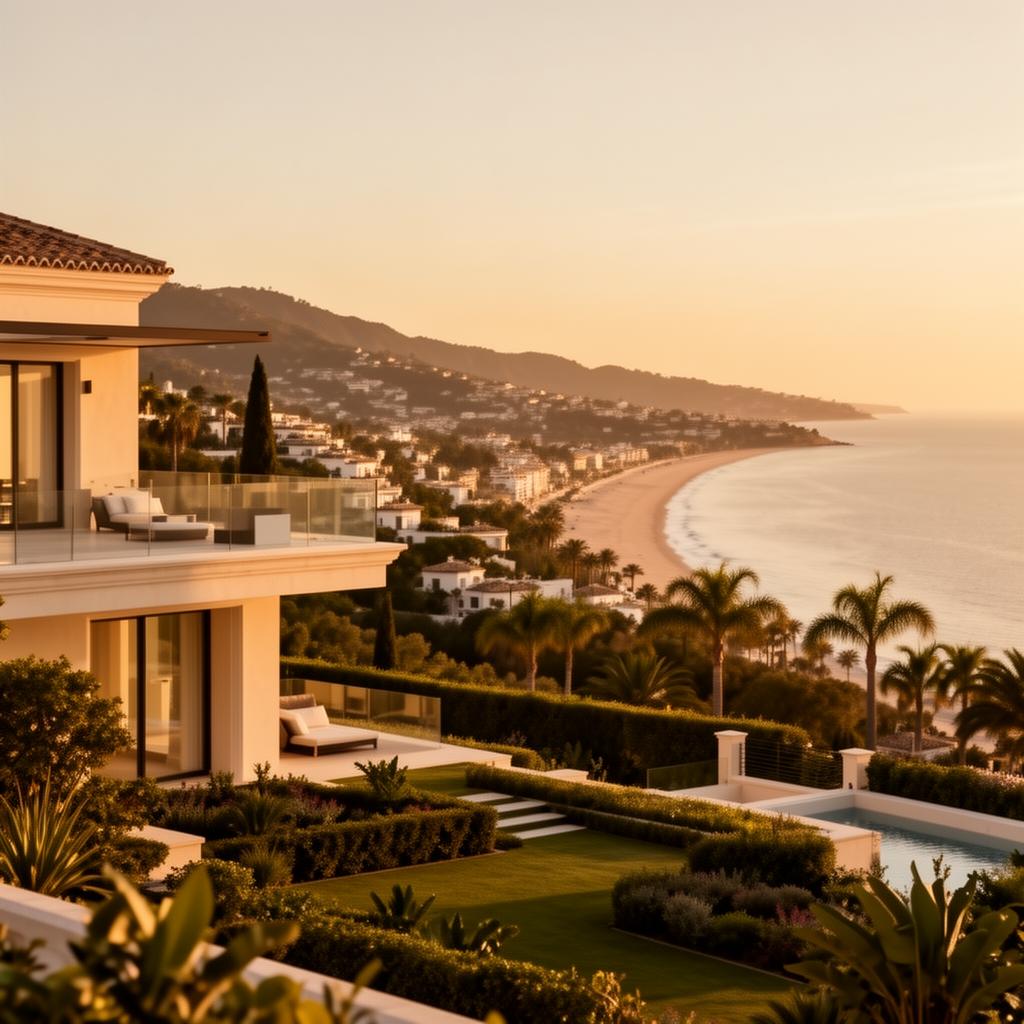
Marbella and the rise of branded living

Coolcation Sweden – Could Climate Become Sweden's Tourism Advantage?
Nyhetsbrev
Få nya reflektioner i inkorgen
Ibland ett mejl när Louise publicerar något nytt om hospitality, kommersiell strategi och livet på vägen mellan hotell. Inget spam — bara text värd din tid.
Vi använder adressen bara för nyhetsbrevet — avregistrera när du vill.