Hushpitality is not about silence. It is about how hospitality is redefining comfort.
As guests increasingly begin to value calm over spectacle, Hushpitality reflects a broader shift in what comfort, luxury and emotional recovery now mean within hospitality.
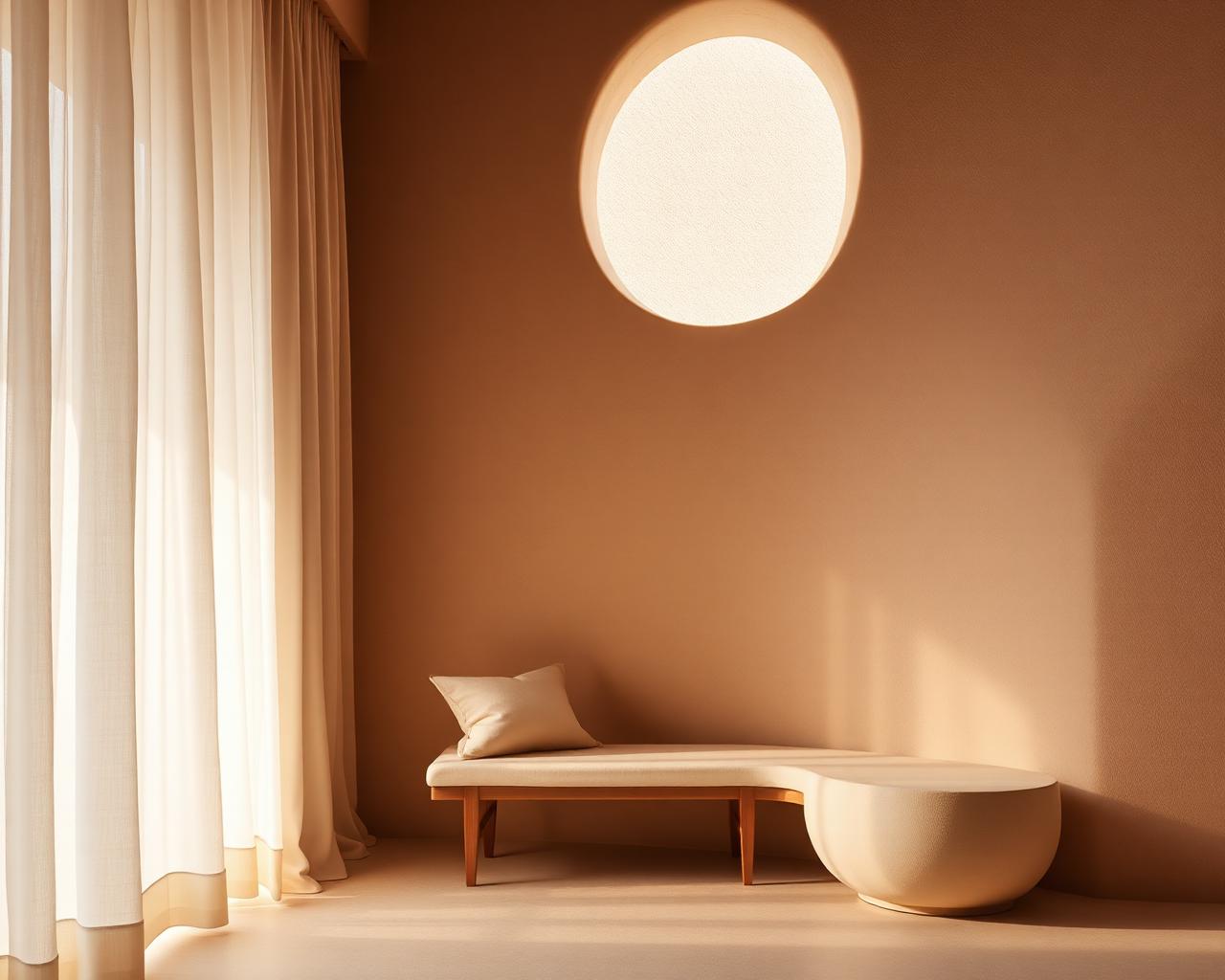
One of the more interesting hospitality signals right now is not necessarily about where people are traveling, but rather what they increasingly seem to be looking for once they arrive.
Hilton recently referred to the phenomenon as Hushpitality — a growing preference for quieter, lower-stimulus travel experiences shaped by calm, softness and intentional rest — and while the term itself may initially sound like another short-lived trend label, it actually reflects something much more meaningful about how guest expectations appear to be evolving.
At its core, Hushpitality is not really about silence in the literal sense. It is about a growing desire for experiences that feel less demanding, less performative and ultimately less exhausting to navigate, particularly at a time when so much of everyday life is defined by constant stimulation, noise and an increasingly permanent sense of mental overload.
What makes the shift interesting from a hospitality perspective is that it subtly changes what comfort begins to mean.
For many years, premium hospitality has largely been associated with abundance — more choice, more activity, more visual impact, more energy and increasingly more curated experiences designed to impress, entertain or stimulate the guest. Luxury, in many ways, became closely tied to access, spectacle and the ability to offer more than competitors.
What Hushpitality suggests is that the next layer of premium may move in a slightly different direction.
Not necessarily toward simplicity or minimalism, but toward environments and experiences that feel calmer, softer, more intuitive and emotionally easier to inhabit. Increasingly, the value of a hospitality experience may lie not only in what it adds to a guest stay, but also in what it successfully removes.
Less friction in arrival. Less unnecessary noise in the room. Less cognitive overload throughout the guest journey. Less pressure to constantly engage with the experience itself.
In its place, guests seem to be valuing a greater sense of ease, emotional comfort and mental recovery, often in ways that are difficult to measure directly but deeply felt in the overall experience.
That is also why Hushpitality should not simply be interpreted as an aesthetic or design trend. It represents something far more operational and strategic than that, because it ultimately influences where value is perceived and how hospitality experiences are remembered.
The properties best positioned for this shift are not necessarily the most luxurious in the traditional sense, nor the ones offering the highest levels of visible service. More likely, they will be the hotels and hospitality concepts that understand how to engineer calm in a deliberate and thoughtful way, both spatially, operationally and emotionally.
That may reveal itself through quieter arrival experiences, more intuitive room layouts, softer transitions between spaces, better acoustic decisions, less interruption throughout the stay and service that feels more naturally paced rather than constantly present.
Not less hospitality. Simply more calibrated hospitality.
That, ultimately, is what makes Hushpitality worth paying attention to.
Because beneath the terminology itself sits a much broader signal about where hospitality appears to be moving — away from performance-led luxury and toward experiences that feel more restorative, more emotionally intelligent and more aligned with how people increasingly want to feel when they travel.
And in that shift, silence is not really the product. Relief is.
Nyhetsbrev
Få nya reflektioner i inkorgen
Ibland ett mejl när Louise publicerar något nytt om hospitality, kommersiell strategi och livet på vägen mellan hotell. Inget spam — bara text värd din tid.
Vi använder adressen bara för nyhetsbrevet — avregistrera när du vill.