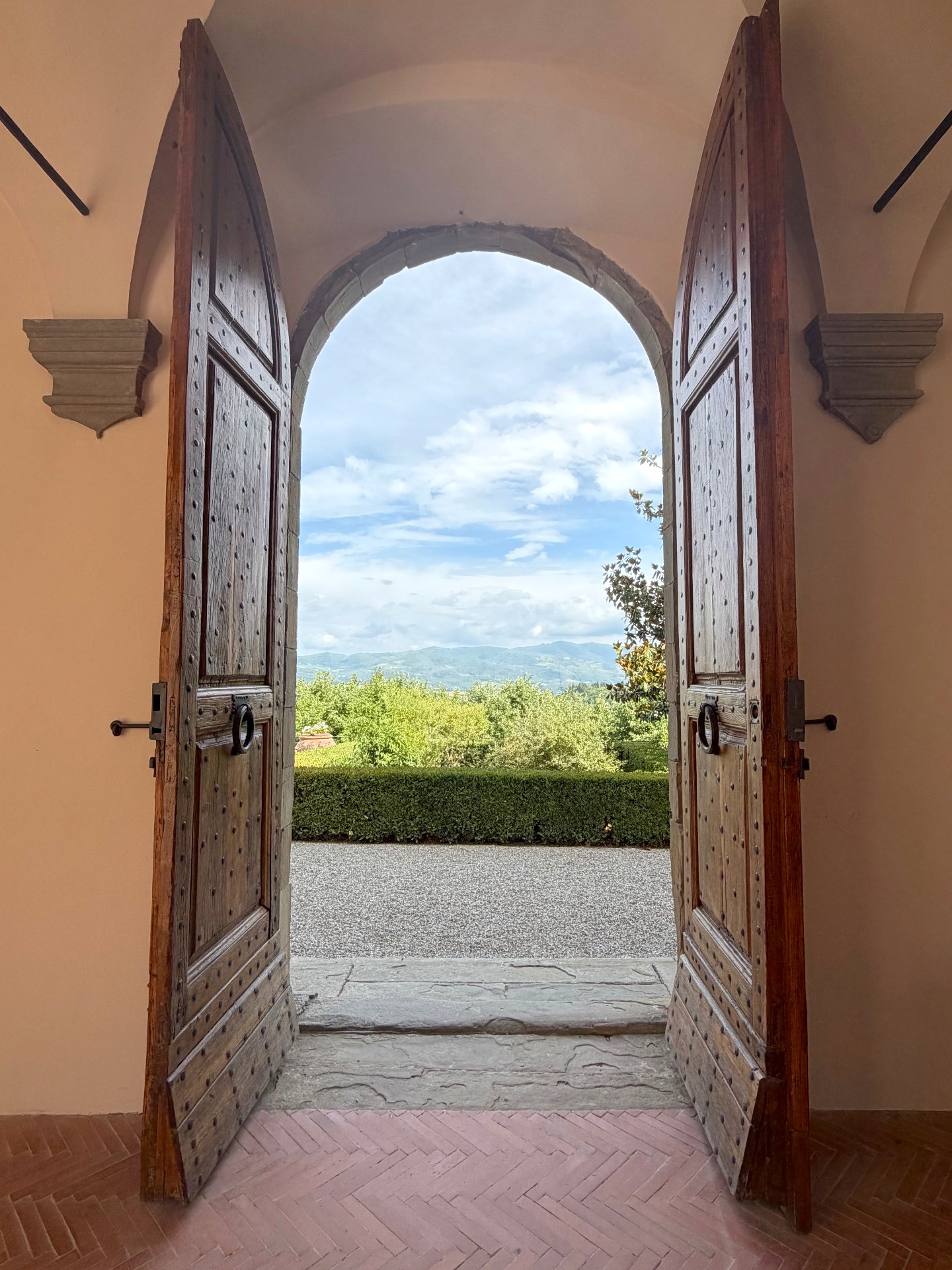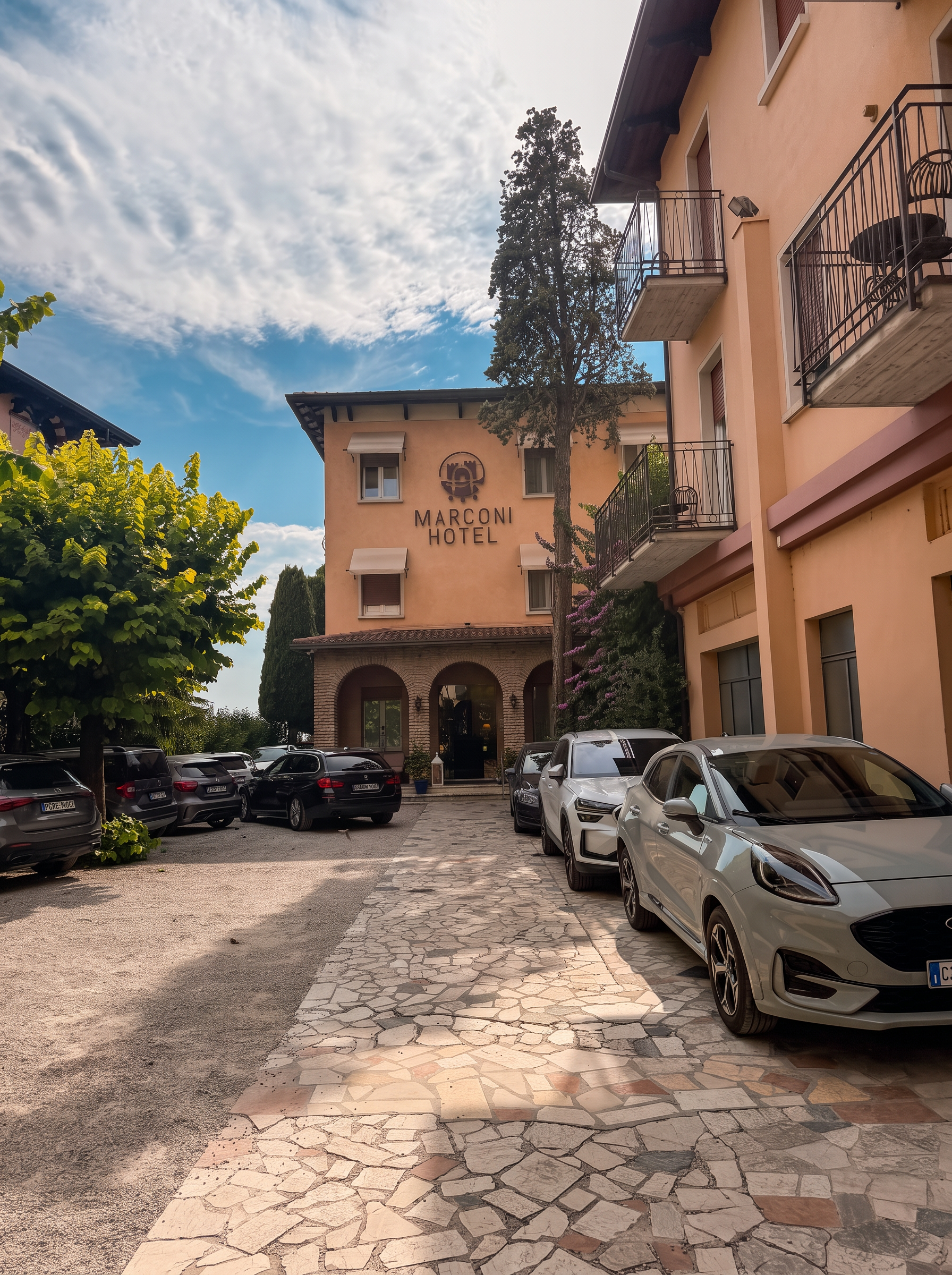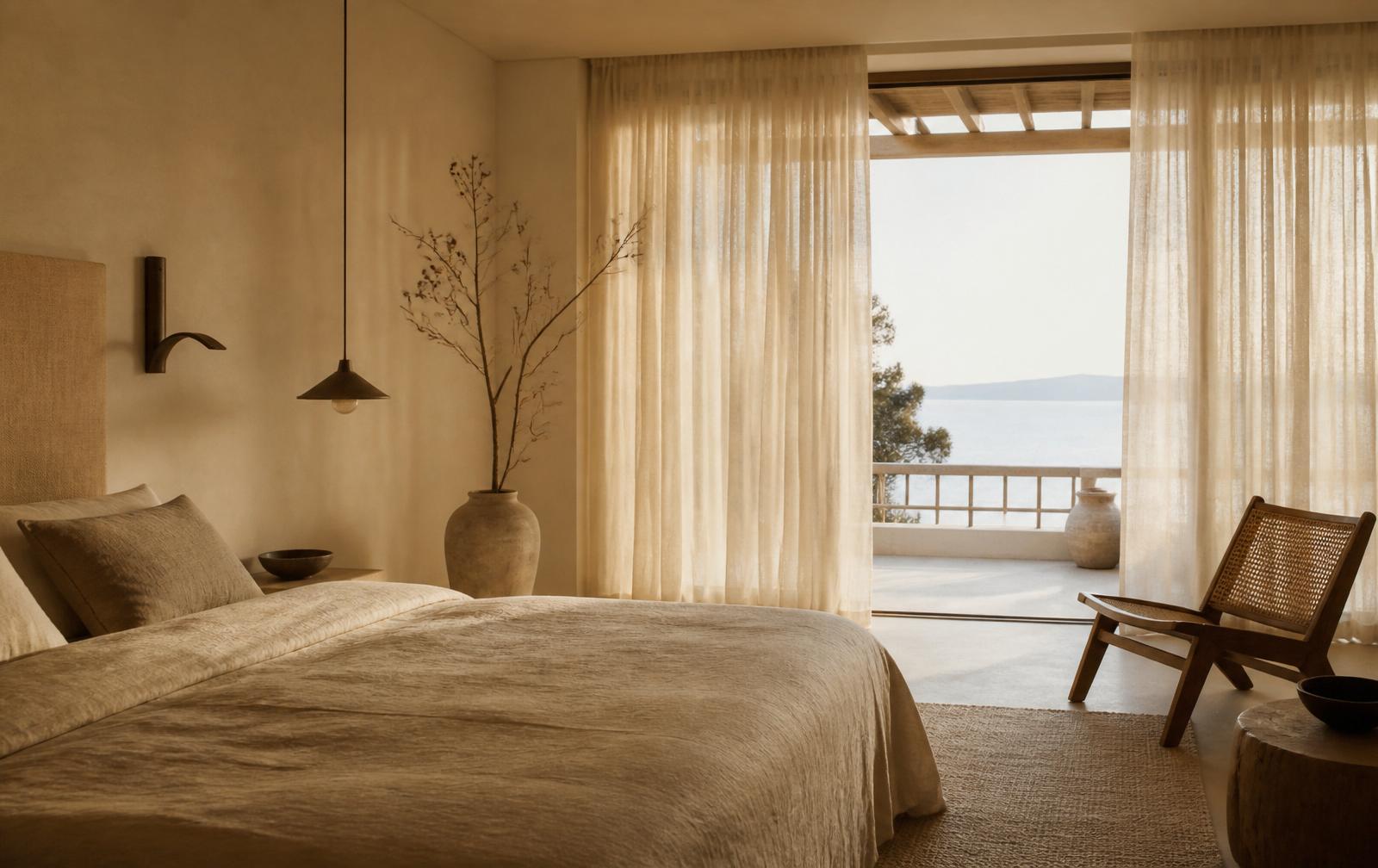
Walk into a hotel in Palma, Copenhagen, Marrakech or Milan and the room often looks remarkably similar. Soft linen. Warm oak. A ceramic bowl on a bleached wooden tray. A framed photograph of something coastal. It is calm, considered and — undeniably — beautiful.
This aesthetic has become the visual grammar of modern hospitality. It photographs well, ages slowly and reassures every guest that the property is contemporary, tasteful and safe. There is nothing wrong with beige rooms. The problem is what often surrounds them.
A quiet crisis of sameness
Over the last decade, the industry has invested extraordinary energy in refining interiors, tightening operational standards and elevating amenities. Wellness floors, curated minibars, natural materials, thoughtful lighting. Rooms are, on average, better designed than they have ever been.
And yet, ask a well-travelled guest to describe the last three hotels they stayed at and the answers tend to blur. Locations shift. Interiors merge. The service was polite, the breakfast was fine, the design was pleasant. Little remains that is specific to the property itself.
Guests don't choose hotels because the rooms are beige. They stop choosing them because everything else is, too.
Aesthetics is not identity
A brand is not an interior scheme. A brand is a coherent set of decisions — about who the property is for, what it stands for, and what it will refuse to be. When those decisions are unclear, no amount of design can compensate. The room may be refined, but the brand is quiet in every language: no distinct voice, no editorial point of view, no idea of the guest it is genuinely built for.
What emerges is a hotel that is objectively good and subjectively forgettable. It competes on rate, distribution and last-minute availability, because it has given itself no other lever to pull. The interior is the least of its problems.
What distinctive hotels do differently
The properties that continue to hold pricing power and emotional loyalty tend to share a small set of habits. They know who they are for. They know what they are not. They express that clearly — in tone, in service, in the details a guest cannot immediately articulate but instinctively feels. The design supports the brand, rather than substituting for it.
This is rarely about maximalism, theatre or a signature colour. Some of the most distinctive hotels in the world are remarkably restrained. What distinguishes them is intent — the sense that every decision was made by someone who knew, precisely, what the property was meant to feel like.
The problem isn't beige hotel rooms. It's beige hotel brands.
A commercial question, not an aesthetic one
Positioning is ultimately a commercial discipline. It shapes distribution strategy, rate integrity, direct booking share and long-term asset value. Owners and investors who treat brand identity as a marketing exercise typically underperform those who treat it as an operating decision.
A refreshed lobby will not fix a brand that has drifted. A new palette will not rescue a property that has never decided what it stands for. The work is quieter and more structural: clarify the audience, sharpen the promise, remove what contradicts it, and let the interiors do what interiors are meant to do — support the story, not carry it alone.