A Beautiful Hotel Is Not Enough
Every boutique hotel starts with a vision. But before investing in architecture and interiors, it's worth asking whether there is a commercially viable business behind it.
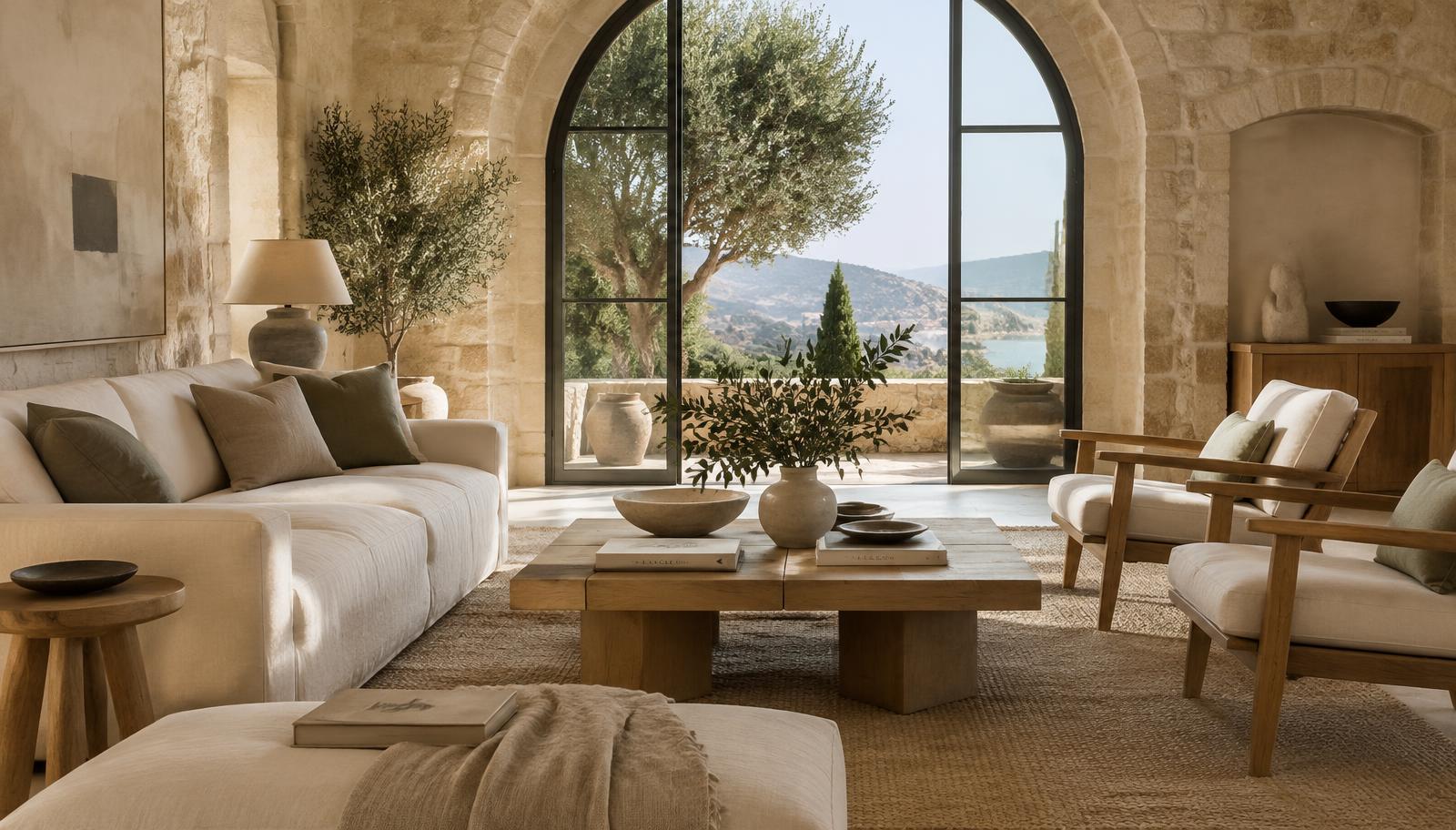
How to Turn Your Boutique Hotel Dream into a Commercially Viable Business
Every boutique hotel starts with a vision.
Perhaps you've discovered a beautiful historic building, a countryside estate or a property in a destination you love. You imagine transforming it into an intimate hotel with thoughtful interiors, personal service and experiences that guests will remember.
For many first-time hotel owners, the journey begins with a passion for hospitality, design or a particular place.
And that's often what makes independent hotels so special.
But creating a beautiful boutique hotel and building a successful hotel business are two very different things.
Before investing in architecture, interiors and development, it's worth asking a fundamental question:
Is there a commercially viable business behind the vision?
The answer begins long before the first guest checks in.
1. Start with the market, not the design
It's easy to fall in love with a property. A beautiful setting, an interesting building or a destination with personal meaning can be the starting point for an exciting hotel concept.
But an attractive location doesn't automatically translate into sufficient hotel demand.
Understanding the market is one of the most important early steps.
Who visits the destination? What brings them there? When do they travel? What accommodation options already exist, and where might there be an opportunity for something different?
A coastal property attracting international leisure travellers during the summer faces very different commercial conditions from a countryside retreat with weekend demand or a city hotel benefiting from corporate travel throughout the year.
These differences influence everything from the number of rooms and facilities to pricing, staffing and the operating model.
A strong hotel concept should respond to a genuine market opportunity, not rely entirely on the appeal of the property itself.
2. Who will stay at your hotel – and why?
One of the most common challenges when developing a hotel concept is trying to appeal to too many different guests.
A romantic countryside escape, a contemporary wellness retreat and a design-led urban boutique hotel may all be attractive ideas. But they serve different audiences with different expectations.
Understanding who your guests are is fundamental to developing the right concept.
Are you targeting couples looking for weekend escapes? International leisure travellers? Golf enthusiasts? Guests seeking understated luxury and personalised experiences?
And perhaps more importantly, why would they choose your hotel over another?
Your target audience should influence the experience you create, the services you offer, your pricing and how you communicate the property.
It should also guide decisions about which facilities are worth investing in.
The objective isn't to create a hotel that appeals to everyone. It's to create a hotel that is particularly appealing to the guests you want to attract.
3. A beautiful hotel still needs to make money
This is where the creative vision meets commercial reality.
Consider two boutique hotel projects.
One is a 15-room countryside property with a strong leisure focus and significant seasonal variations.
The other is a 40-room boutique hotel in a destination with a broader mix of leisure and corporate demand.
Both could become successful hotels. But their commercial opportunities, operating requirements and financial challenges will be very different.
For smaller properties in particular, the relationship between room capacity, achievable rates and operating costs deserves careful consideration.
A restaurant, spa or extensive service offering may strengthen the guest experience, but each also introduces additional investment and operational costs.
Before committing to a concept, it's important to explore the commercial assumptions behind it.
What average room rate could the market realistically support? What occupancy might be achievable throughout the year? How will seasonality affect revenue? What additional income opportunities exist beyond accommodation?
And how will the proposed operating model influence profitability?
These questions don't replace a detailed financial feasibility study, but they help establish whether the commercial direction is realistic.
A compelling concept creates interest. A viable business model makes it sustainable.
4. Create a concept worth choosing
Boutique hotels have an advantage that larger, standardised hotel brands cannot always replicate: the opportunity to create something genuinely distinctive.
A sense of place, thoughtful design, local connections and personal hospitality can all contribute to a memorable experience.
But differentiation needs to be more than a collection of attractive features.
What is the hotel's identity? What does it stand for? And how does that translate into a reason for guests to choose it?
A strong concept connects the property's character with the expectations of its target audience.
It creates consistency between the physical environment, the service philosophy, the experiences offered and the way the hotel is presented to the market.
This is where authenticity becomes commercially relevant.
When a hotel has a clear identity, it becomes easier to communicate its value, attract the right guests and support its intended market position.
5. Let the business concept guide the design
Design is often one of the most exciting parts of developing a boutique hotel.
Architecture, interiors, materials and lighting shape the atmosphere and create the first impression.
But design decisions also have commercial consequences.
Does your target audience expect a full-service restaurant, or would an intimate breakfast concept be more appropriate?
Would a spa create meaningful additional value, or could partnerships with local wellness providers offer a more flexible solution?
Are generous public spaces essential to the guest experience, or could that space be used more effectively?
There is no universal answer.
What matters is that the design supports the intended positioning, guest experience and operating model.
The most successful concepts don't simply look beautiful. Every element has a purpose.
6. Think about your guests before you open
One area that is sometimes underestimated in new hotel projects is the importance of commercial planning before opening.
Creating a hotel takes time. Building awareness, attracting guests and establishing distribution relationships also take time.
Your commercial strategy should therefore develop alongside the hotel concept, not after construction is complete.
How will potential guests discover the property? Which booking channels will be most relevant? What pricing position will the hotel aim to establish?
Are there opportunities to work with travel advisors, specialist operators, local businesses or corporate clients?
And how will you create interest before opening?
For an independent boutique hotel without an established brand behind it, these decisions can be particularly important.
A clear pre-opening commercial strategy helps connect the concept with the market and prepares the business for its first guests.
7. From boutique hotel vision to commercial reality
Opening a boutique hotel can be an opportunity to create something truly personal and distinctive.
For first-time hotel owners, the process is also filled with decisions that will influence the business for years to come.
The property, architecture and design may be what initially bring the vision to life.
But understanding the market, identifying the right guests, developing a clear position and evaluating the commercial potential are equally important.
These considerations are most valuable when addressed early, while there is still flexibility to shape the concept.
Because ultimately, a successful boutique hotel is not simply a beautiful place to stay.
It's a hotel that guests have a compelling reason to choose, return to and recommend.
And a business built on a sound commercial foundation.
Planning to Open Your First Boutique Hotel?
Turning a hotel vision into a viable business involves important commercial decisions, often long before the first design plans are finalised. At ENGCO, I support aspiring hotel owners, entrepreneurs and property developers in exploring the commercial potential of their projects. From understanding market demand and identifying target audiences to developing positioning, revenue opportunities and commercial strategy. Whether you're considering a property or already developing your boutique hotel concept, an early commercial perspective can help you make more informed decisions.
Nyhetsbrev
Få nya reflektioner i inkorgen
Ibland ett mejl när Louise publicerar något nytt om hospitality, kommersiell strategi och livet på vägen mellan hotell. Inget spam — bara text värd din tid.
Vi använder adressen bara för nyhetsbrevet — avregistrera när du vill.